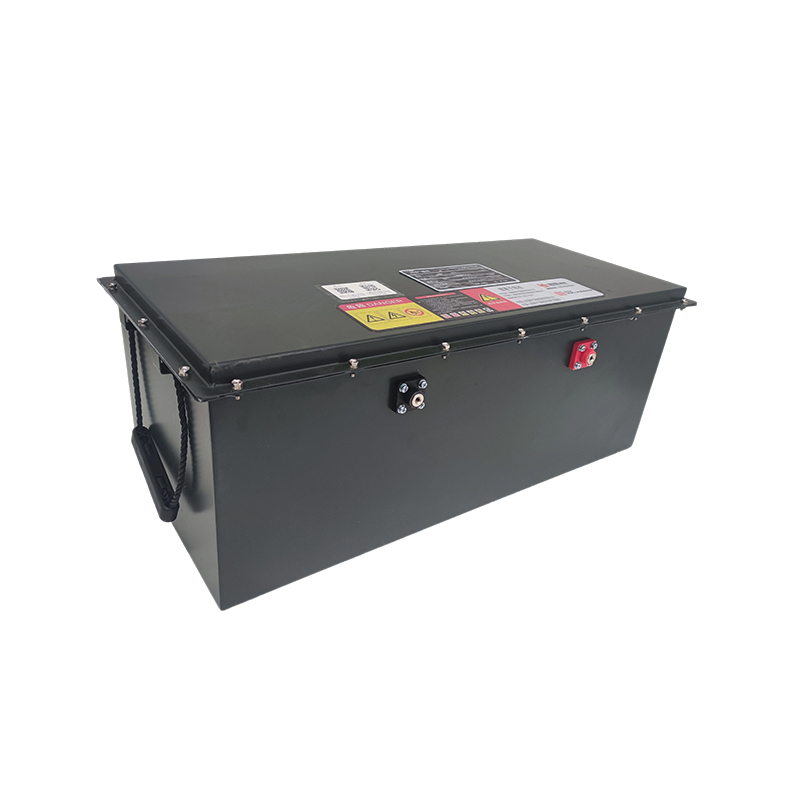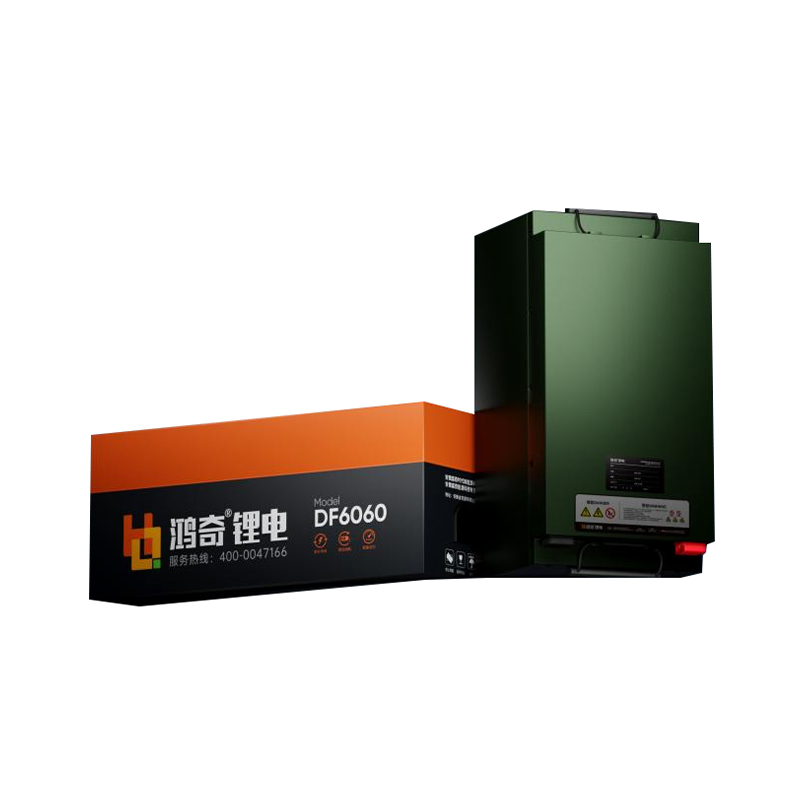

In applications such as low-speed electric vehicles, forklifts, and energy storage, low-speed power lithium batteries are gradually replacing traditional lead-acid batteries due to their advantages of long lifespan, small size, and high power.
Low-speed power lithium batteries stand out due to their superior performance. Compared to traditional lead-acid batteries, they not only boast a longer lifespan, stronger power output, and smaller size, but also exhibit remarkable stability under frequen
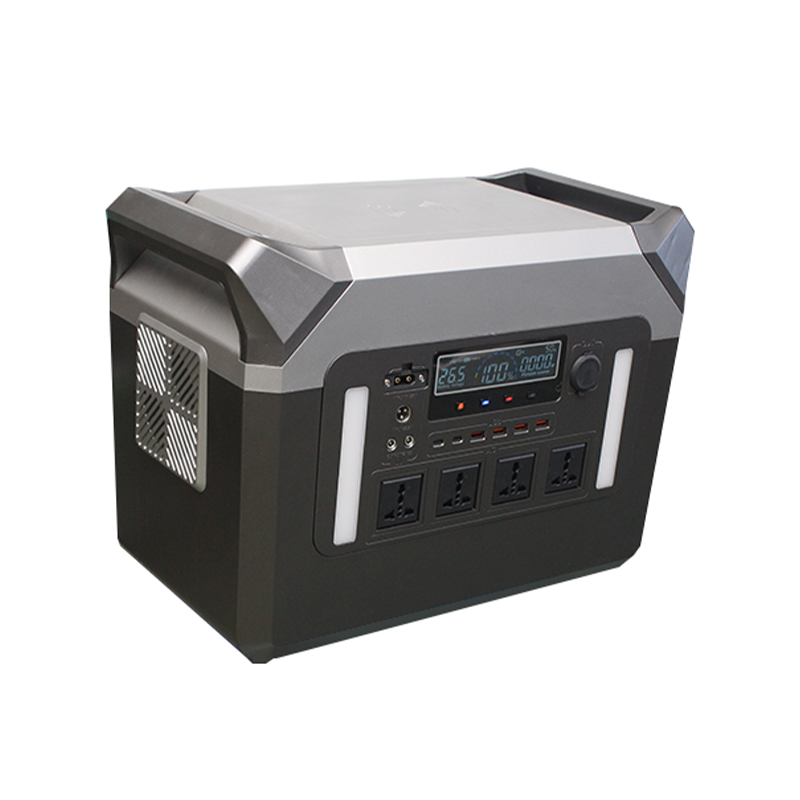
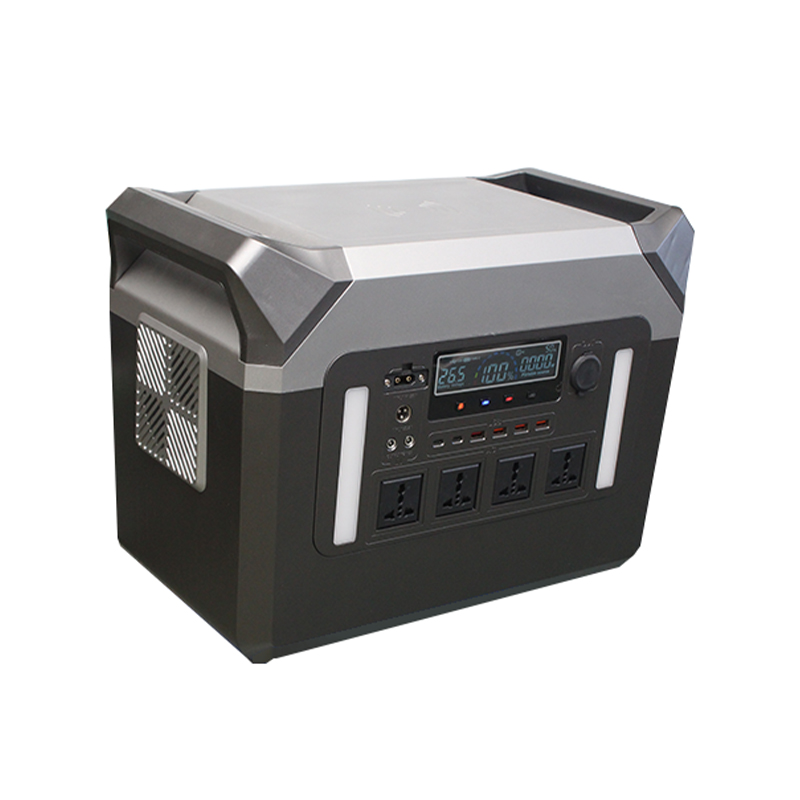
Outdoor mobile power supplies may experience a natural drop in battery voltage due to prolonged inactivity. If the protection mechanism is poorly designed, the battery may fail to start when the power is restored due to insufficient voltage.
As the boundaries of urban life are constantly being broken down, people venture into mountains, lakesides, and open fields, seeking moments of tranquility or an adventure.
Due to the specific application scenarios, low-speed power lithium batteries place higher demands on the design of overcharge and over-discharge protection circuits.
In unpredictable outdoor weather conditions, the waterproof and dustproof design of outdoor mobile power is a key element in ensuring its stable operation.